Kent, WA · King County
Black Mold Removal from Water Damage in Kent, WAWater Damage Repair & Black Mold Inspection
Black Mold Removal from Water Damage in Kent starts with a black mold inspection and water damage source containment.
Answered 24/7
Addressing Black Mold Removal from Water Damage Needs in Kent
Toxic mold removal is a health priority after water incidents in Kent. Mold spreads quickly if not handled. Local water restoration pros focus on containment and immediate water extraction.
Residents in Kent, East Hill-Meridian, Des Moines and Benson Hill benefit from professional water damage restoration. The pros follow a detailed mold remediation process. Early action helps prevent mold after water damage.
Black Mold Removal from Water Damage Solutions Available in Kent
Water Damage Repair
Water damage repair fixes leaks and replaces materials like drywall. This addresses the root cause to prevent future black mold issues.
Black Mold Inspection
A black mold inspection in Kent identifies moisture sources and visible growth. Specialized tools detect hidden mold, guiding the remediation plan.
Mold Spore Treatment
The application of antimicrobial products helps sanitize the affected area after contaminated materials are removed. The pros use this IICRC-standard method to support a clean, dry environment post-remediation.
Water Damage Source Containment
The containment step isolates the work zone, preventing cross-contamination. Using engineering controls, the pros create a safe, segregated area for the removal procedures.
Structural Drying
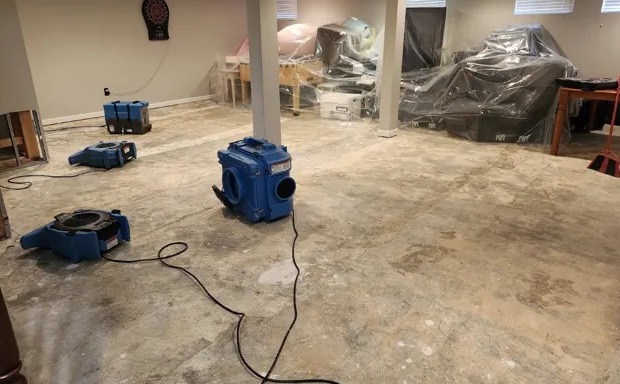
In Kent, industrial drying equipment is deployed to return wood and concrete to dry conditions. This process removes the essential water element mold requires to survive.
Detecting the Need for Black Mold Removal from Water Damage
Visible Water Stains
Yellowish or brownish stains on ceilings or walls point to past moisture. These areas are prime locations for toxic mold removal needs.
Discolored Grout or Caulk
Darkening grout lines in showers or tubs suggest mold growth. This is a frequent issue in bathroom water damage mold remediation.
Peeling Paint or Wallpaper
Bubbling or peeling surfaces often conceal moisture and black mold growth underneath. This is a common sign in water-damaged walls.
Recent Water Damage Events
Any past flooding, leaks, or high humidity can lead to black mold. Mold can start growing within 24-48 hours after water exposure.
How Black Mold Removal from Water Damage Works in Kent
Step 1: Initial Containment and Safety Prep
Safety is paramount, so the pros seal the workspace to protect the property. This containment prevents mold spread during black mold removal.
Step 2: Source Identification and Moisture Control
The experts locate and stop the water source causing the mold. They use moisture meters to find all damp areas needing attention in the mold remediation process.
Step 3: Aggressive Contaminated Material Removal
Porous materials saturated with black mold are carefully removed and bagged for disposal. This step is crucial for toxic mold removal to eliminate the main food source for mold.
Step 4: Final Treatment and Drying Verification
After cleaning, an antimicrobial barrier is applied to treated surfaces. The area then undergoes structural drying and dehumidification, with verification ensuring it's ready for repair.
Common Causes of Water Damage in Kent
Burst or Leaking Pipes
Plumbing failures inside walls or under sinks release significant water. This requires both water extraction and mold removal to fully resolve.
Poor Ventilation in Bathrooms
Inadequate exhaust fans let steam soak into walls and ceilings. The consistent dampness leads to mold after water damage from daily use.
HVAC System Condensation Issues
Clogged drain lines or faulty AC units can drip water inside. This cool, damp environment inside ductwork spreads mold spores throughout the home.
Flooding from External Sources
Heavy rainfall or overflowing bodies of water can flood a property. This major water intrusion demands comprehensive water damage restoration services.
Residential and Commercial Black Mold Removal from Water Damage in Kent
Residential Black Mold Removal from Water Damage
Emergency mold removal services for residences provide a professional service to halt health hazards. The experts contain the source, remove affected materials, and apply treatments to restore the home.
Commercial Black Mold Removal from Water Damage
For businesses, toxic mold removal supports compliance and continuity. The specialists design a plan for the commercial layout. This helps operations resume with verified air quality.
Professional Black Mold Removal from Water Damage or DIY Cleanup in Kent
Moving furniture away from a wet area minimizes damage. Actual water damage mold remediation, including structural drying, requires industrial equipment only the pros possess. They ensure thorough drying to prevent regrowth.
What Influences Black Mold Removal from Water Damage Expenses
Black mold removal cost in Kent depends on the contamination scope and affected materials. The area size, containment needs, and required repairs are key factors.
Affected Materials
Porous materials like drywall and insulation often require removal, while non-porous surfaces may only need cleaning, making material type a key cost variable in mold removal.
Access and Location
Difficult-to-reach areas like crawlspaces or tight attics increase labor time and complexity for the pros, raising the project's cost estimate.
Restoration Repair Needs
The extent of rebuilding, such as drywall replacement or flooring installation after mold removal, constitutes a significant separate portion of the total project investment.
Does Insurance Cover Black Mold Removal from Water Damage?
Homeowners insurance and black mold removal relate to the moisture source. During inspection, professionals gather evidence linking mold to the water damage. This documentation is for the homeowner's claim submission.
Why Choose Local Water Restoration Pros for Black Mold Removal from Water Damage in Kent
HEPA Filtration Air Scrubbing
Continuous air scrubbing with HEPA filters captures airborne mold spores during work, protecting air quality throughout the remediation process.
Clear Post-Remediation Verification
Independent testing after cleanup provides objective confirmation that the mold removal is complete and the area is safe.
Comprehensive Moisture Detection
Using professional-grade meters and sensors, pros identify all hidden moisture to ensure complete structural drying and dehumidification.
Immediate Black Mold Removal from Water Damage Response for Kent
Water damage restoration needs in Kent can arise at any hour, leading to mold. For 24/7 emergency service from the professionals, call (425) 873-8560. The pros respond to begin drying.
Call Now (425) 873-8560Black Mold Removal from Water Damage Availability in the Kent Region
Other places served are listed below, each with its own page.
- Black Mold Removal from Water Damage in East Hill-Meridian
- Black Mold Removal from Water Damage in Des Moines
- Black Mold Removal from Water Damage in Benson Hill
- Black Mold Removal from Water Damage in SeaTac
- Black Mold Removal from Water Damage in Eastgate
- Black Mold Removal from Water Damage in Normandy Park
- Black Mold Removal from Water Damage in Burien
- Black Mold Removal from Water Damage in Mercer Island
Frequently Asked Questions About Black Mold Removal from Water Damage
How do professionals perform black mold inspection and testing?
Inspection involves visual assessment and moisture mapping. Air and surface sampling can identify mold type and concentration, helping plan the remediation process.
Can I stay in my home during black mold removal?
For small jobs, it may be possible. For larger toxic mold remediations, temporary relocation is often recommended during material removal and cleaning.
Is HEPA vacuuming and air scrubbing necessary for all mold jobs?
HEPA filtration is a standard for professional mold cleanup services. It captures microscopic spores during work and scrubs the air clean both during and after remediation.
What should I look for in local mold removal services?
Look for providers who follow IICRC standards, offer a complete process from inspection to verification, use proper containment and HEPA equipment, and provide clear documentation of their mold remediation work.
How does antimicrobial application and treatment prevent future mold?
After cleaning, EPA-registered antimicrobial agents are applied to exposed structural surfaces. These treatments inhibit the growth of new mold spores that may contact the surface.