Earlington, WA
Whole-Building Fire & Smoke Odor Removal in Earlington, WAThermal Fogging Deodorization & Air Scrubbing For Whole Buildings
Whole-Building Fire & Smoke Odor Removal in Earlington pairs whole-house air scrubbing, HVAC duct smoke cleaning, and fire damaged material removal.
Answered 24/7
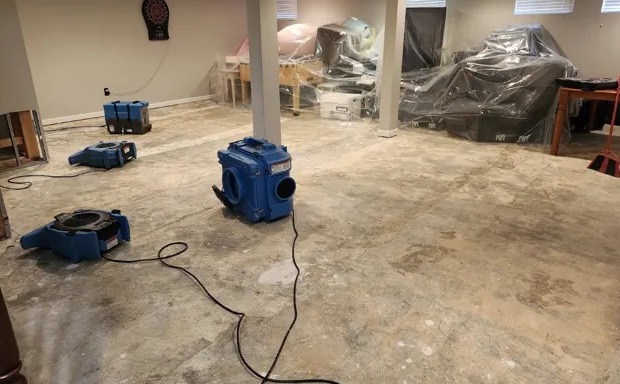
Professional Whole-Building Fire & Smoke Odor Removal in Earlington, WA
Fire odor comes from acidic, oily, and protein residues, and each needs a different cleaning agent. One product used everywhere rarely gives a lasting result.
Smoke odor in the HVAC system is a common problem after fires in Earlington. Local pros clean the ducts, run air scrubbers, and fog the building so the smell does not return.
Comprehensive Whole-Building Fire & Smoke Odor Removal Services
Thermal Fogging Deodorization
The fog travels the same way smoke did, into wood, drywall, and insulation, which makes it useful for greasy kitchen fire odors.
Air Scrubbing for Whole Buildings
Scrubbers run during soot cleaning and deodorizing, removing particles stirred up as each area of the building is worked on.
Surface Sealing for Residual Odor
Exposed studs and subfloors get a sealant that holds in remaining odor molecules before walls and floors are rebuilt.
Fire Damaged Material Removal
Burned drywall, melted plastics, and wet insulation cannot be cleaned, so local fire restoration professionals remove and dispose of them.
HVAC Duct Smoke Cleaning
After a fire in Earlington, the duct system is cleaned with vacuum equipment and agitation tools before it is used again.
How to Tell If You Need Whole-Building Fire & Smoke Odor Removal
Odor Returns After Opening Windows
When airing out the house does not clear the smell, smoke odor has worked its way into walls, floors, or furniture.
Odor Stronger on Humid Days
A smoke smell that gets stronger on damp days means odor is trapped in porous materials and released when moisture rises.
Smoke Odor in Closed Cabinets
Items inside closed cabinets that smell of smoke show the odor has passed through gaps and seals throughout the house.
Soot Residue on Walls and Ceilings
Black or gray soot on walls and ceilings shows smoke residue that household cleaners tend to smear rather than remove.
How Whole-Building Fire & Smoke Odor Removal Works in Earlington
Step 1: Source Removal and Cleaning
Burned materials are removed first, and electrostatic cleaning lifts soot from the walls and ceilings that remain.
Step 2: HVAC Duct Smoke Cleaning
The ductwork and air handler are cleaned so the HVAC system stops moving smoky air through the building.
Step 3: Ozone Treatment for Smoke Odor
Ozone generators run in the closed, empty building to break down the odor compounds that remain.
Step 4: Final Air Quality Verification
Pros check the building for any remaining smoke odor before it is reoccupied and the job is closed out.
Sources of Recurring Smoke Odor in Buildings
Contaminated HVAC Ductwork
An HVAC system running during a fire pulls smoky air into the ducts and coats their insides with soot.
Smoke Penetration Into Porous Materials
Smoke odor soaks deep into drywall, wood, and insulation, which then release the smell for months if left untreated.
Residual Oils From Incomplete Combustion
Oily residue from burned materials keeps giving off odor long after the fire is put out.
Incomplete Post-Fire Cleaning
Wiping and vacuuming after a fire often misses fine smoke particles lodged in porous surfaces and floating in the air.
Whole-Building Deodorization for Earlington Residences and Offices
Residential Whole-Building Fire & Smoke Odor Removal
Homeowners need both the structure and their belongings treated. Pros clean personal items and fog the building so the smell leaves the whole living space.
Commercial Whole-Building Fire & Smoke Odor Removal
Restaurants and stores need merchandise, equipment, and ductwork cleaned so smoke odor does not drive customers away after reopening.
When to Call Fire Restoration Professionals for Smoke Smell
Open windows and run fans to clear the first wave of smoke, and wipe hard surfaces like counters and glass with a degreasing cleaner. Odor in walls or fabrics needs professional deodorizing.
Cost Factors for Whole-Building Fire & Smoke Odor Removal in Earlington
Labor for removing burned materials and the amount of soot to lift from walls and fabrics both affect the final price.
HVAC System Contamination
Cleaning ducts and HVAC parts adds equipment time and access work to the job.
Content Cleaning Scope
The number and type of belongings to clean, and whether they go off-site, affect time and cost.
Building Square Footage
Larger buildings need more labor time and more deodorizing solution to cover every room.
Does Insurance Cover Whole-Building Fire & Smoke Odor Removal?
Whether insurance covers smoke odor removal is the adjuster's decision. The experts provide reports and photos to support your conversation with the insurer.
The Advantage of Local Fire Odor Specialists
Residual Odor Prevention
Sealing porous surfaces locks in trace odor that cleaning misses, so it does not return after repairs.
Thorough Soot Removal
Electrostatic cleaning removes fine soot from surfaces, which has to happen before deodorizing can work.
IICRC-Standard Deodorization Methods
Pros follow established smoke odor protocols, treating odor at its source instead of covering it with fragrance.
24/7 Fire Odor Removal Assistance
Smoke odor gets harder to remove as it sinks into materials. For fire odor removal in Earlington, call (425) 873-8560 for a 24/7 response.
Call Now (425) 873-8560Areas Served for Whole-Building Fire & Smoke Odor Removal
Homes and businesses throughout Earlington can get ozone treatment for smoke odor and HVAC duct smoke cleaning as part of whole-building fire & smoke odor removal.
- Whole-Building Fire & Smoke Odor Removal in Bellevue
- Whole-Building Fire & Smoke Odor Removal in Benson Hill
- Whole-Building Fire & Smoke Odor Removal in Boulevard Park
- Whole-Building Fire & Smoke Odor Removal in Bryn Mawr-Skyway
- Whole-Building Fire & Smoke Odor Removal in Burien
- Whole-Building Fire & Smoke Odor Removal in Cascade
- Whole-Building Fire & Smoke Odor Removal in Cedar River
- Whole-Building Fire & Smoke Odor Removal in Des Moines
Whole-Building Fire & Smoke Odor Removal FAQs Answered
Will opening windows get rid of smoke smell in home?
Airing out helps with smoke in the air at first, but it does not remove odor soaked into walls, furniture, and carpet.
How effective is electrostatic soot removal?
Charged cleaning solutions attract fine soot and lift it off surfaces, which prepares them for deodorizing and paint.
What materials typically require fire damaged material removal?
Charred wood, melted plastics, contaminated insulation, and anything that cannot be cleaned or is unsafe are removed and disposed of.
Can fire smells come back after treatment?
They can if treatment is incomplete. Cleaning the ducts and sealing porous surfaces keeps odor from coming back after the work.
Are personal belongings safe during ozone treatment?
People, pets, and plants must stay out during treatment. Most belongings can stay, though pros may remove items made of rubber or other sensitive materials.