Kent, WA · King County
Mold Growth from Water Leaks Cleanup in Kent, WAWater Leak Mold Assessment & Mold Contained Area Setup
Mold Growth from Water Leaks Cleanup services in Kent include water leak mold inspection, affected material removal, and mold spore HEPA vacuuming.
Answered 24/7
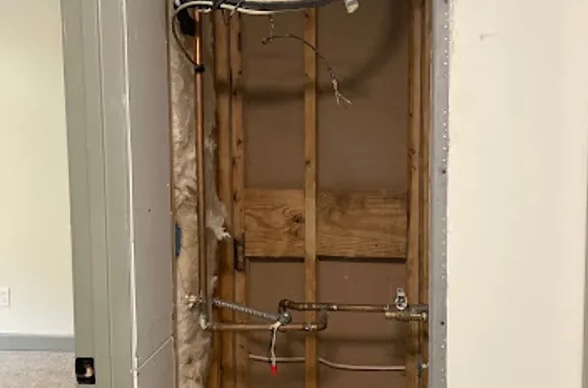
Mold Growth from Water Leaks Cleanup Solutions in Kent
Mold growth after a leak in Kent isn't just unsightly; it can degrade drywall, wood, and insulation. Cleaning mold after a leak means dealing with both the visible growth and the hidden moisture.
Mold growth from water leaks is a common issue for properties in Kent and nearby areas like East Hill-Meridian, Des Moines and Benson Hill. The work requires a careful inspection and containment to prevent cross-contamination. Local water damage pros follow set procedures for safety.
Mold Growth from Water Leaks Cleanup Services in Kent
Water Leak Mold Assessment
After a leak, mold can grow behind baseboards or under flooring. The pros check these zones with a thorough inspection, documenting all problem areas to guide safe removal in King County.
Mold Contained Area Setup
Setting up containment with plastic barriers and negative air machines isolates the work area for properties in Kent. This IICRC-standard practice prevents cross-contamination during mold growth from water leaks cleanup.
Mold Spore HEPA Vacuuming
Detailed HEPA vacuuming addresses residual spores left behind after wet materials are removed. The area is then ready for antimicrobial treatment.
Post-Remediation Drying
Post-remediation drying uses industrial dehumidifiers and air movers to achieve a dry standard. This keeps new mold from growing after the cleanup.
Mold Antimicrobial Application
Applying EPA-registered antimicrobial agents to framing and surfaces inhibits future mold growth. This treatment by local remediation pros help secure the results of your mold growth from water leaks cleanup.
When to Schedule Mold Growth from Water Leaks Cleanup in Kent
Discolored Patches on Walls
Stains, streaks, or dark spots on drywall or ceilings are common visual signs of mold growth after a leak.
Leaking Appliance Drip Pans
Overflowing or clogged drip pans under appliances are a frequent, overlooked source of water leading to mold growth.
Water Stains on Ceilings
Yellow or brown ceiling stains from past leaks are prime locations for mold growth cleanup to address hidden colonies.
Past Flooding Without Remediation
Any previous flooding that was not properly dried is a major risk for extensive, hidden mold growth from water damage.
How Mold Growth from Water Leaks Cleanup Works in Kent
Step 1: Initial Scope and Documentation
The process starts with scoping the damage and creating water damage documentation, including photos and moisture readings for your information.
Step 2: Isolation and Air Scrubbing
The work area is isolated with containment barriers. Air scrubbers with HEPA filters run continuously to clean the air during mold cleaning after leak activities.
Step 3: Removal and HEPA Vacuuming
Gross removal of moldy materials occurs, followed by aggressive HEPA vacuuming of all surfaces to remove dust and leftover spores.
Step 4: Application and Drying Phase
An antimicrobial coating is applied to cleaned surfaces. Drying then removes all remaining moisture.
Common Causes of Mold Growth from Water Damage in Kent
Improper Flood Water Cleanup
Incomplete drying after a past flood leaves residual moisture in materials, which inevitably leads to mold growth later.
Faulty Appliance Water Lines
Refrigerators, washing machines, and water heaters have supply lines that can leak slowly, causing hidden mold over time.
Condensation From HVAC Systems
Poorly insulated ducts or clogged drain pans from air conditioners drip water, promoting mold in attics and ceilings.
Foundation Cracks and Seepage
Hairline cracks in the foundation allow groundwater to enter basements and crawlspaces, a persistent source for mold.
Residential and Commercial Mold Growth from Water Leaks Cleanup in Kent
Residential Mold Growth from Water Leaks Cleanup
In homes, mold growth from water leaks often starts in hidden areas like behind walls, under sinks, or in attics. The pros use containment and HEPA vacuuming so spores do not spread through the house.
Commercial Mold Growth from Water Leaks Cleanup
For businesses, water leak mold cleanup must address disruptions quickly and often involves complex building systems. The pros focus on minimizing downtime by setting up contained work areas and performing after-hours remediation to maintain operations.
Comparing DIY to Professional Mold Growth from Water Leaks Cleanup in Kent
For a very small, surface-level patch of mold on a non-porous material like tile, you can clean it with a detergent solution. However, if the mold returns or the area is larger than a few square feet, it's time to contact the pros for proper mold growth from water leaks cleanup to address the root moisture issue.
Factors Influencing Mold Growth from Water Leaks Cleanup Cost in Kent
The cost for mold growth from water leaks cleanup in Kent varies. Factors include the extent of water damage, the type of materials affected, and the size of the contaminated area.
Material Removal Needs
Porous materials like drywall or insulation that cannot be salvaged must be removed, adding to disposal and replacement costs.
Containment Complexity
Barriers that prevent cross-contamination during removal add time and extra material costs.
Accessibility of the Area
Mold in confined spaces like crawl spaces or inside walls makes the water damage mold inspection and removal more labor-intensive.
Does Insurance Cover Mold Growth from Water Leaks Cleanup?
Homeowners insurance may cover Mold Growth from Water Leaks Cleanup if the water damage is sudden and accidental. Coverage depends entirely on the specific policy. The final coverage decision rests with the insurer.
Reasons to Select Local Mold Remediation Pros in Kent for Mold Growth from Water Leaks Cleanup
Controlled Containment Procedures
Mold contained area setup prevents cross-contamination, keeping mold spores isolated from the rest of your home during cleanup.
Focused Material Removal
Removing only the moldy materials that cannot be saved helps keep the surrounding structure intact.
HEPA Filtration Vacuuming
Mold spore HEPA vacuuming removes airborne particulates after affected material removal, improving indoor air quality.
24/7 Emergency Mold Growth from Water Leaks Cleanup in Kent
Emergency cleanup prevents health risks and structural damage. If you have active water intrusion and visible mold, call (425) 873-8560. The pros offer 24/7 response for wet wall mold removal.
Call Now (425) 873-8560Mold Growth from Water Leaks Cleanup for Properties Throughout Kent and Beyond
The places below are also served, and each one has its own page.
- Mold Growth from Water Leaks Cleanup in East Hill-Meridian
- Mold Growth from Water Leaks Cleanup in Des Moines
- Mold Growth from Water Leaks Cleanup in Benson Hill
- Mold Growth from Water Leaks Cleanup in SeaTac
- Mold Growth from Water Leaks Cleanup in Eastgate
- Mold Growth from Water Leaks Cleanup in Normandy Park
- Mold Growth from Water Leaks Cleanup in Burien
- Mold Growth from Water Leaks Cleanup in Mercer Island
Mold Growth from Water Leaks Cleanup FAQs
What factors influence mold remediation cost the most?
The primary cost factors are the square footage of contamination, the extent of affected material removal required, and the complexity of the containment and drying needed.
What is involved in water leak mold cleanup?
It usually includes inspection, containment, removal of damaged materials, HEPA vacuuming, antimicrobials, drying and air testing.
What areas are commonly affected by mold from leaking pipes?
Common sites include walls, ceilings, under sinks, and flooring near the leak source. Wet wall mold removal is often necessary when pipes inside walls fail.
How quickly should I address mold growth from water damage?
Act within 24 to 48 hours. Mold can start growing soon after a leak, so quick action limits the scope and cost.
What are antimicrobial application services for?
After cleaning, antimicrobial agents are applied to treated surfaces. It slows any remaining spores and helps prevent regrowth.